
Signals
At the Bastille, a Generation Facing AI Alone
As France invests in becoming an AI leader, its young people face job insecurity and worry about AI’s effects on their ability to think. Their protests ask whether government will help them meet those challenges.
By Paul Kurgan, ·
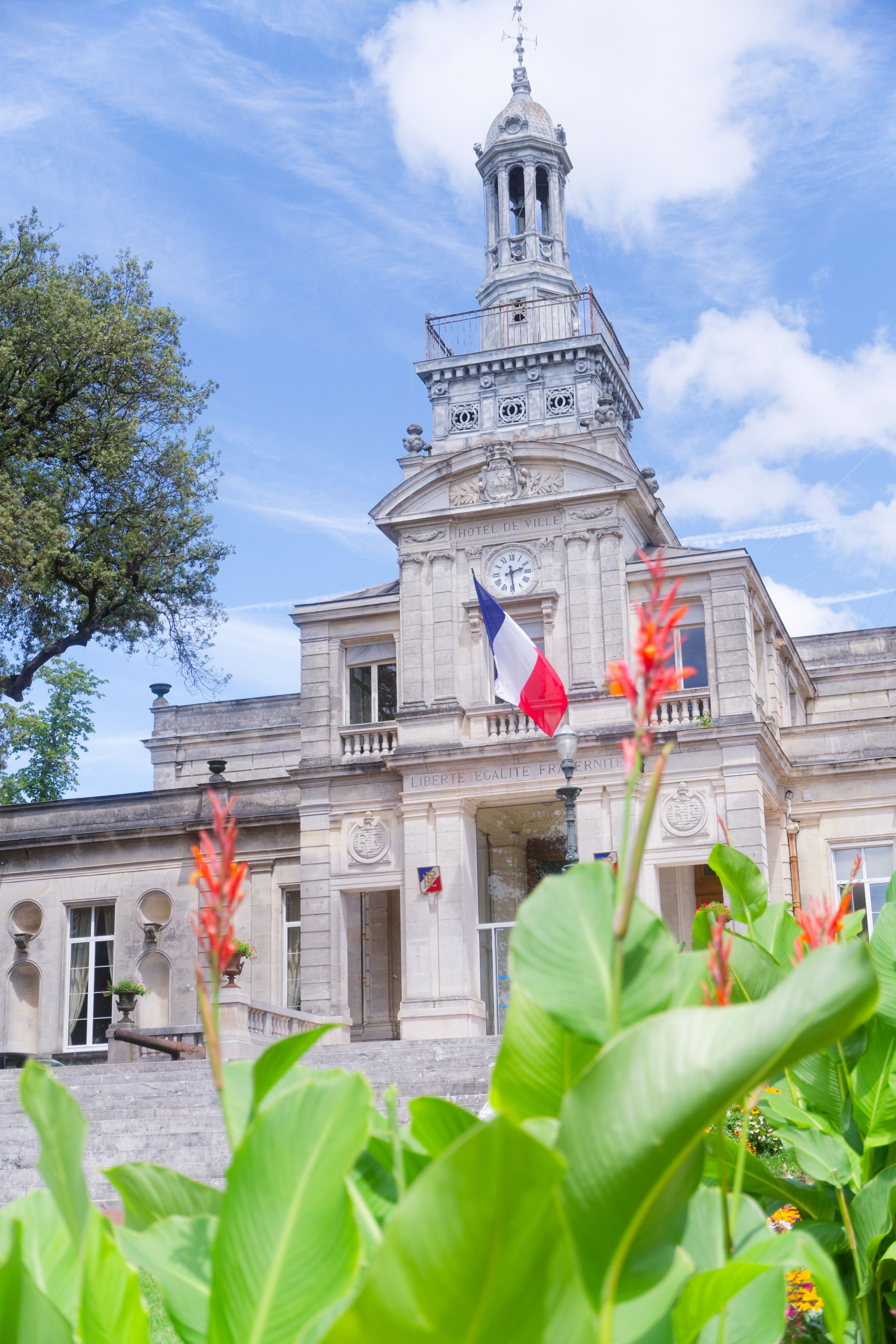
On October 8, students gathered atop the July Column in Paris’s Place de la Bastille, where crowds once stormed the fortress in 1789. Nine days later, the town hall in Limoges burned. Protests that began over school conditions spread to more than 1,000 high schools, carrying a broader sense among young people that they have been left behind—and left to face artificial intelligence’s future on their own.
President Emmanuel Macron has positioned France as a leading AI power in the European Union. At the 2025 AI Action Summit, he announced €109 billion in AI investment. France now counts 1,114 AI start-ups, more than any other EU country. But as France bets on technology, young people are already struggling to find work. Unemployment has reached 8.3 percent overall and 21.6 percent among 15- to 24-year-olds, according to France’s statistics agency.
During two months in Paris studying the 2026 mayoral elections, I heard those employment fears repeatedly linked to AI. A judge told me, “What you do as a junior is usually what artificial intelligence is able to do.” A woman whose friend works in voice dubbing said, “The voices of real people will no longer be needed.” Students share the concern: in January, 59% of French university students said AI threatens the existence of the job they are training for, according to an Ipsos survey.
Young people also see public priorities as tilted toward older generations. Thirty-two percent of the education ministry’s budget goes to pensions rather than current teachers, while health spending on someone over 80 is six times that on someone in their twenties. A Sciences Po student told me, “My generation was the first one to really apprehend this new evolution.” Another said older generations are not equipped to deal with AI. A father of two put the burden plainly: “It will be your generation that will have [to] deal with this, it will be on you to figure out a solution.”
The worry extends beyond jobs and public spending to what AI may do to people’s ability to think and reason. One voter described AI as “a great crutch,” adding, “we cut off one of our legs so that’s why we are using it.” Another warned that the technology is making people lazy and weakening our ability to critique ourselves. At a polling station, a student working the vote watched young people take out their phones and ask AI which candidate to choose.
The generation most exposed to AI’s effects is also the one expected to manage them. The recent protests point to a widening generational divide, fear about what AI will bring, and a test for France’s political system. With students perched atop the July Column and a town hall in flames, they have put their questions to that system. What remains open is whether it will make the structural changes needed to answer them.