Kimi K3 and the New Terms of AI Competition
A frontier open-weight model from China reframes the debate over export controls and American technology leadership.
 Tech Policy Institute
Cornell Brooks School
Latest
Analysis, announcements, and events from across the institute, newest first. Full reports and briefs live on the publications page.

A frontier open-weight model from China reframes the debate over export controls and American technology leadership.

The institute and the Icelandic think tank Varða publish Detect and Deter, on drone threats, governance gaps, and the future of Icelandic defence.
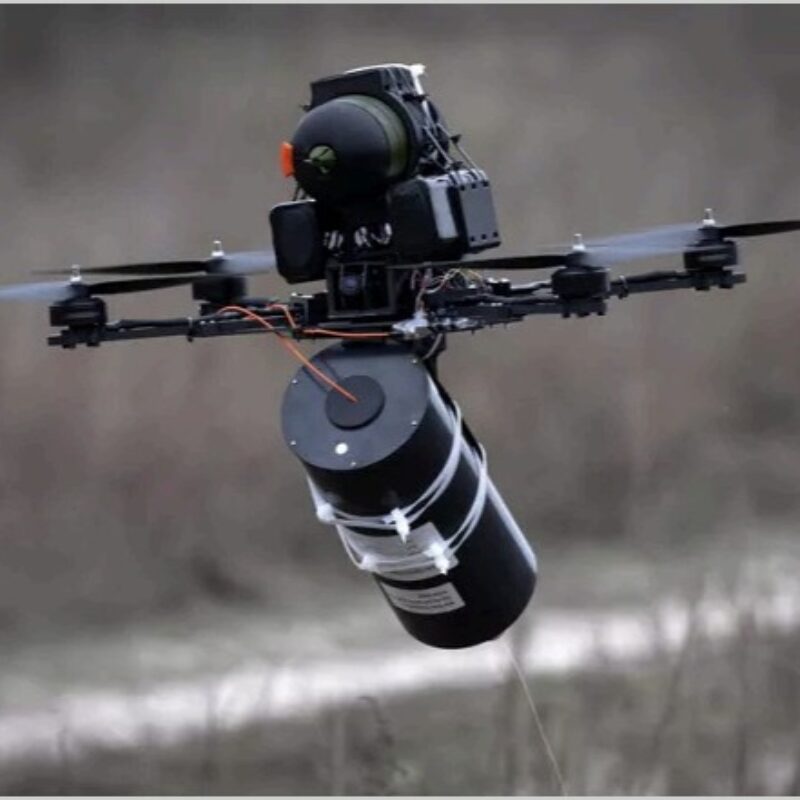
Junior Fellow Sumajja Denysiuk argues that the boundary between commercial and military technology is set largely by the firms being regulated, and that this is an accountability problem.

Junior Fellow Fiona Neibart argues that the regulation-versus-innovation framing misses how trust is becoming infrastructure, and how it could harden into a competitive moat.

Guðni Thorlacius Jóhannesson, President of Iceland from 2016 to 2024 and Professor of History at the University of Iceland, delivered three Messenger Lectures at Cornell.
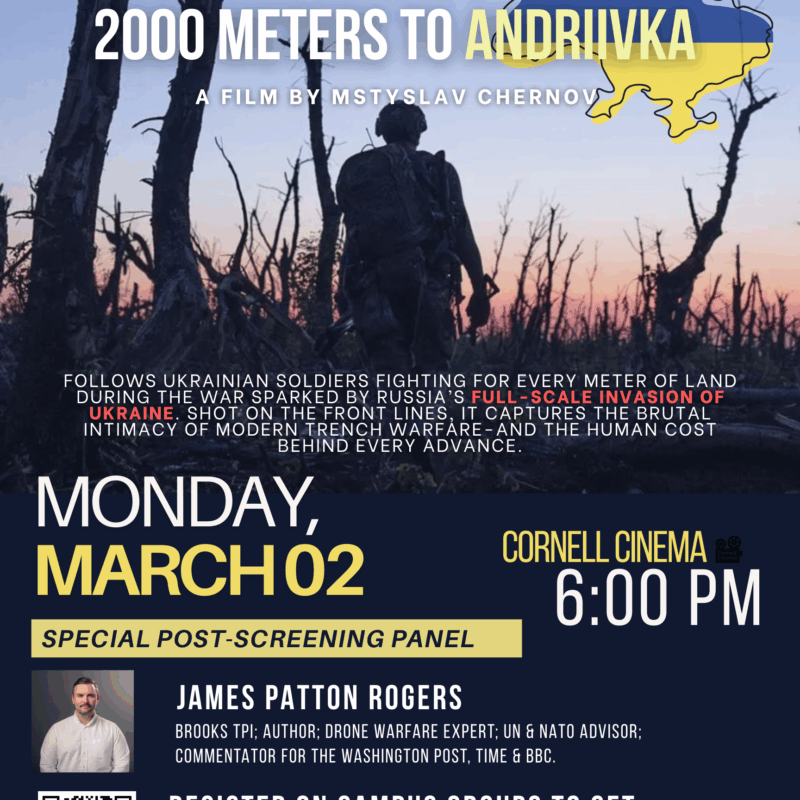
A screening of Mstyslav Chernov's front-line documentary at Cornell Cinema, followed by a panel with Executive Director James Patton Rogers.

Paul Lushenko and Keith Carter led congressional staffers through a simulation on great power competition in the Arctic Ocean.
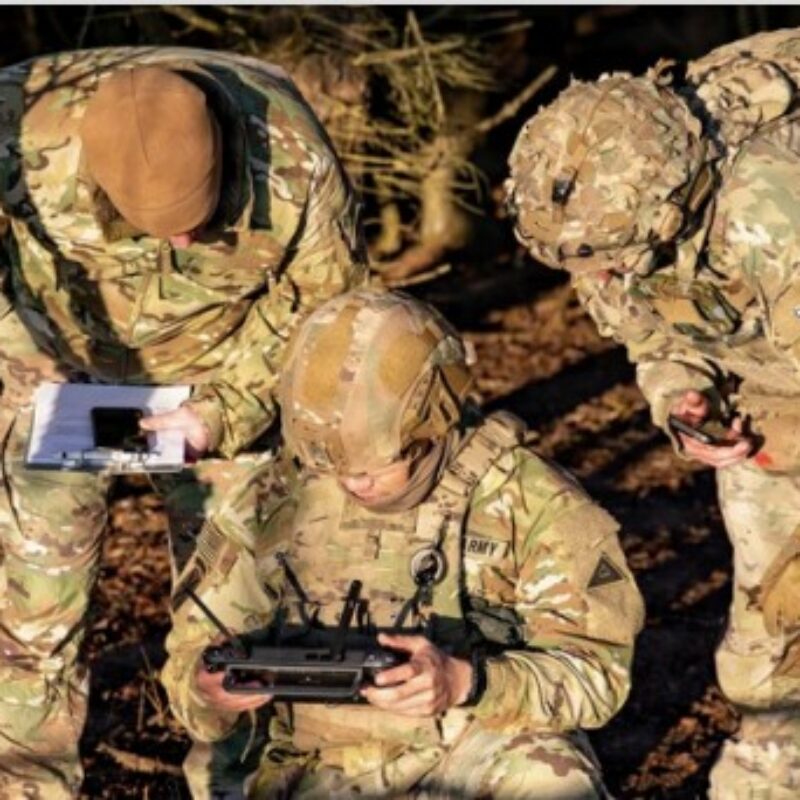
From Hamas on October 7 to Ukraine's Operation Spider Web, drones now open wars. Paul Lushenko and Joseph Amoroso argue the U.S. must defend against them everywhere and all the time.

A collaboration with the Bitcoin Policy Institute and Fedi, examining how public policy and enforcement shape behaviour around privacy technologies.
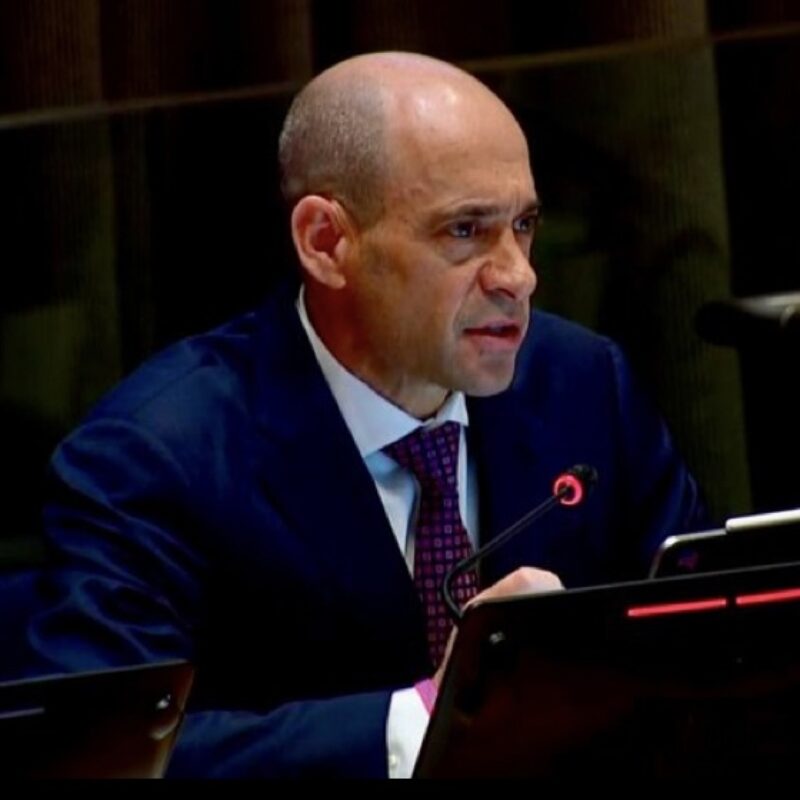
Eric Wenger addressed more than 250 students on why technology policy is now central to national security and economic competitiveness.
A year of growth as technology and security questions moved to the centre of public policy.

Director's Fellow John Miller on how drone warfare has evolved over the past decade, and what it means for future conflict.

The Messenger Lectures are the University's highest recognition of scholarship. The award was secured through the institute's Geopolitics and Technology Hub.

The Svalbard Consensus? workshop in London, funded by the Royal Navy and held with Loughborough University.
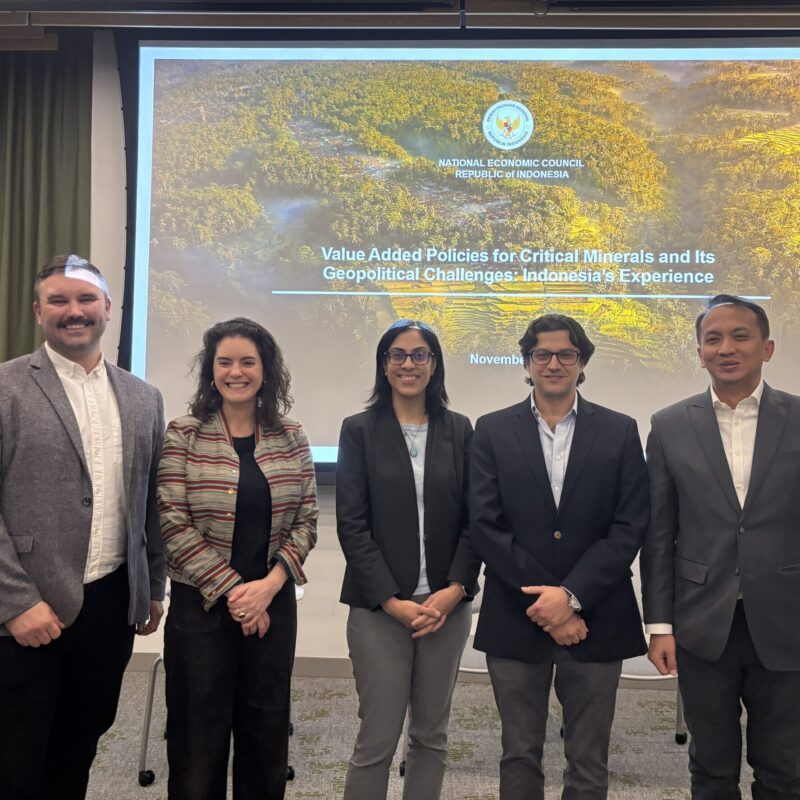
Septian Hario Seto of Indonesia's National Economic Council set out the country's shift from raw-ore extraction to higher-value manufacturing, using nickel as the focal case.
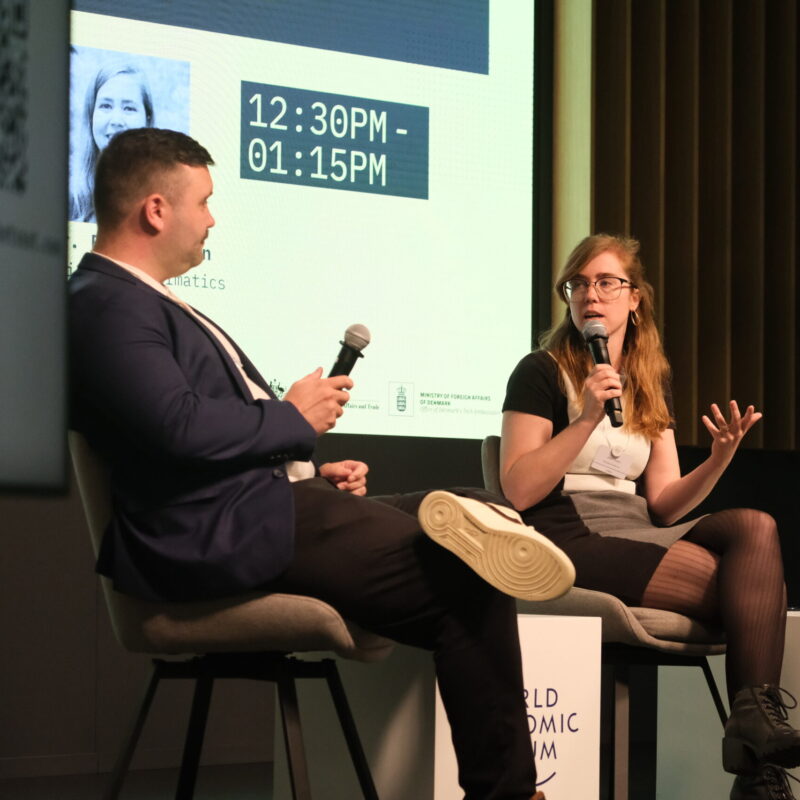
Executive Director James Patton Rogers delivered the keynote at the Cyber and Tech Retreat, a forum bringing senior diplomats from more than 25 countries to Silicon Valley.

The institute opened its doors to students, faculty, and visitors, with demonstrations of the Cyber Test Range and the latest drone technologies.

A $140,000 award to support the Cyber Test Range, designed to detect hidden cyber vulnerabilities in critical hardware.

As governments lean on commercial space systems for military advantage, private companies face an impossible bind, and the rules governing them are decades out of date.
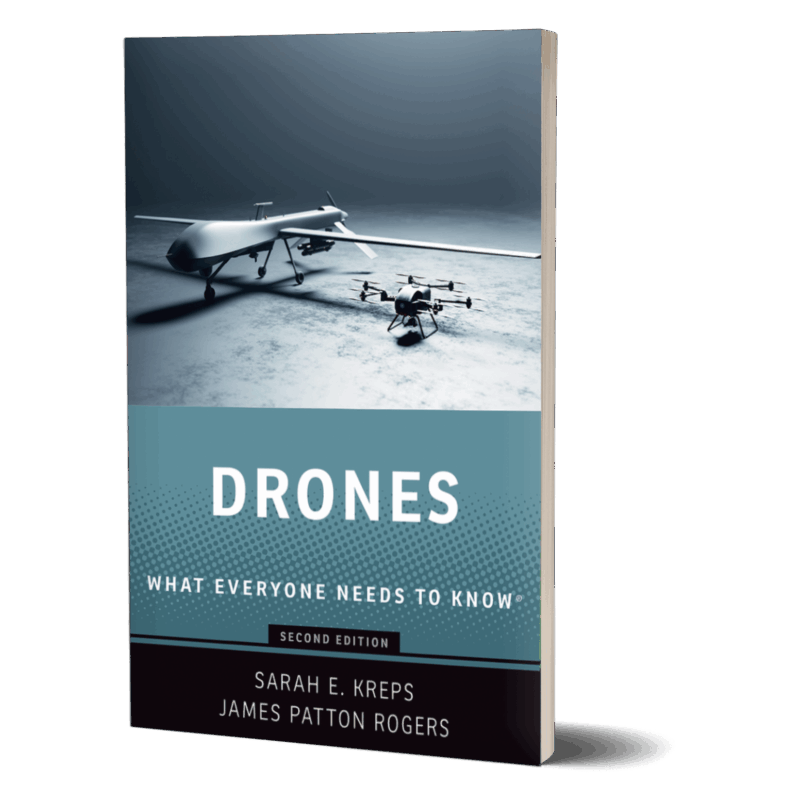
A new book from Oxford University Press on the past, present, and future of military and civilian drones.
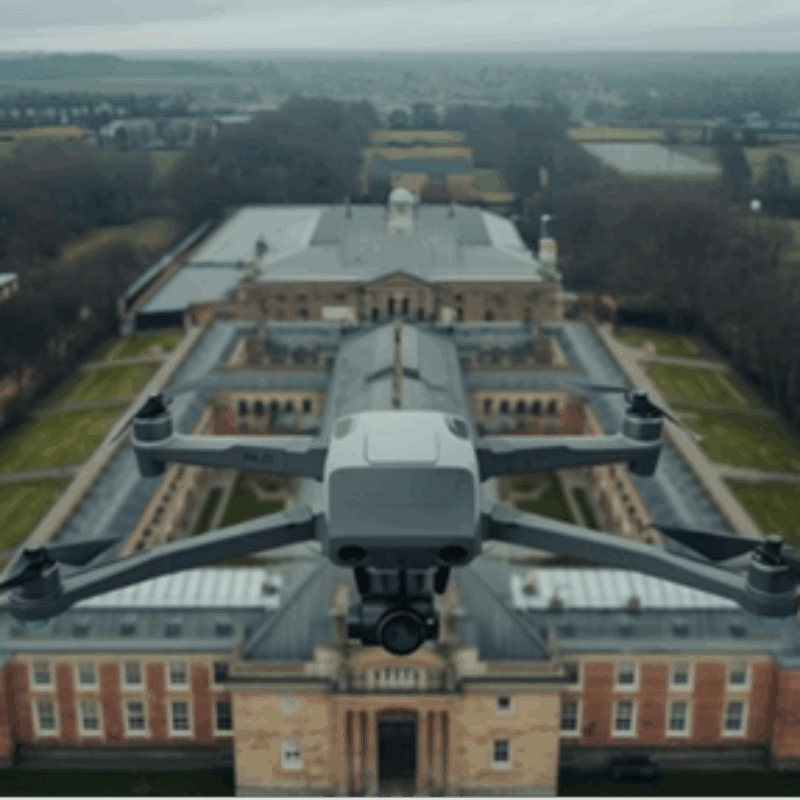
Dark Skies reviews the escalating use of drones by organised crime against His Majesty's Prison Estate, and the legislative gaps that leave the response unclear.
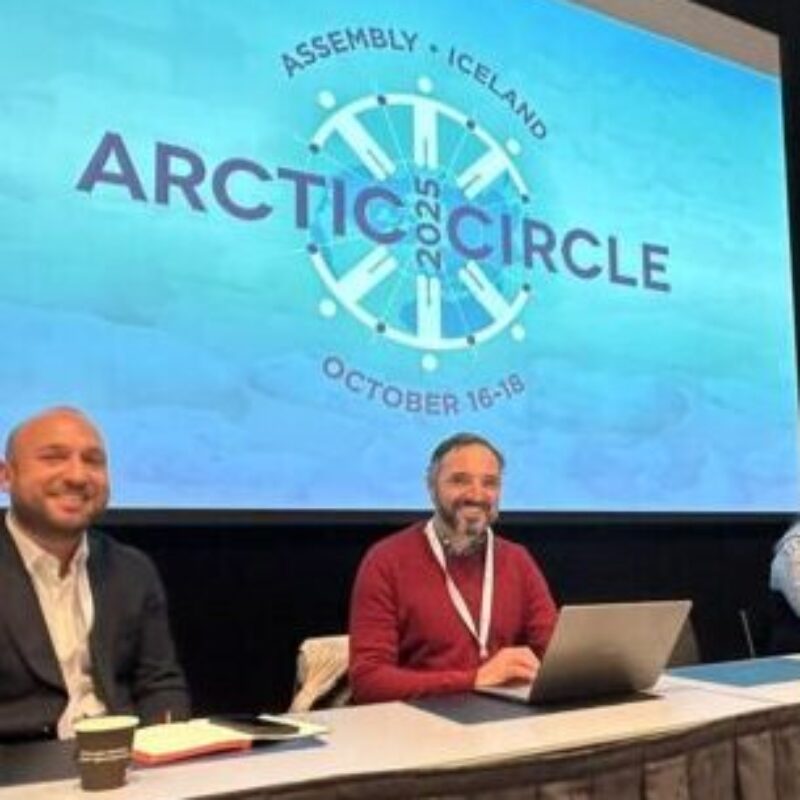
The institute convened Soft Power, Hard Questions at the Arctic Circle Assembly in Reykjavik.
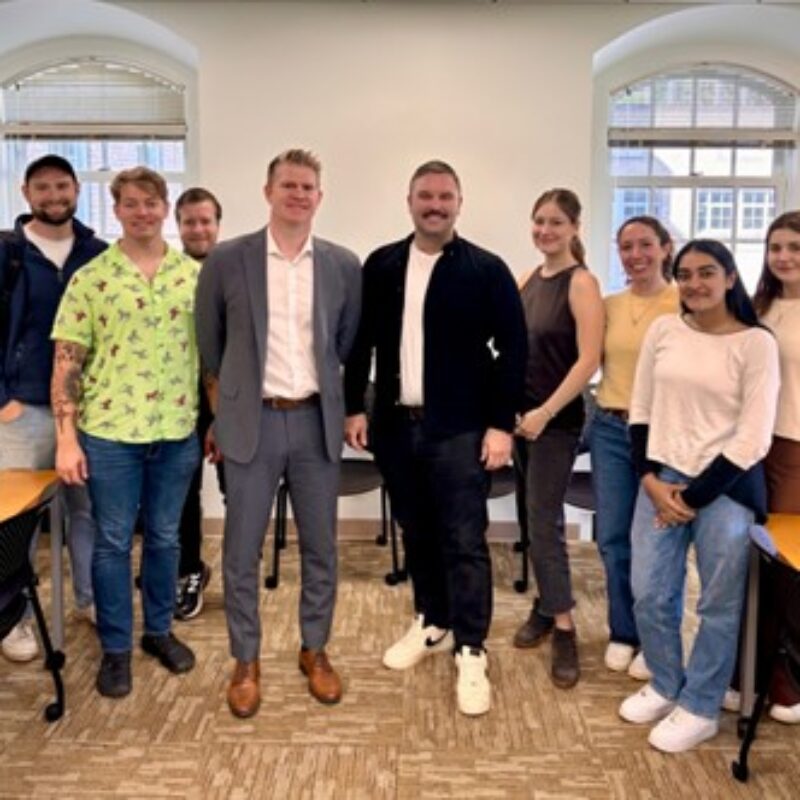
A wide-ranging conversation on great-power competition, American strategic posture, and the trade-offs embedded in U.S. defense strategy.
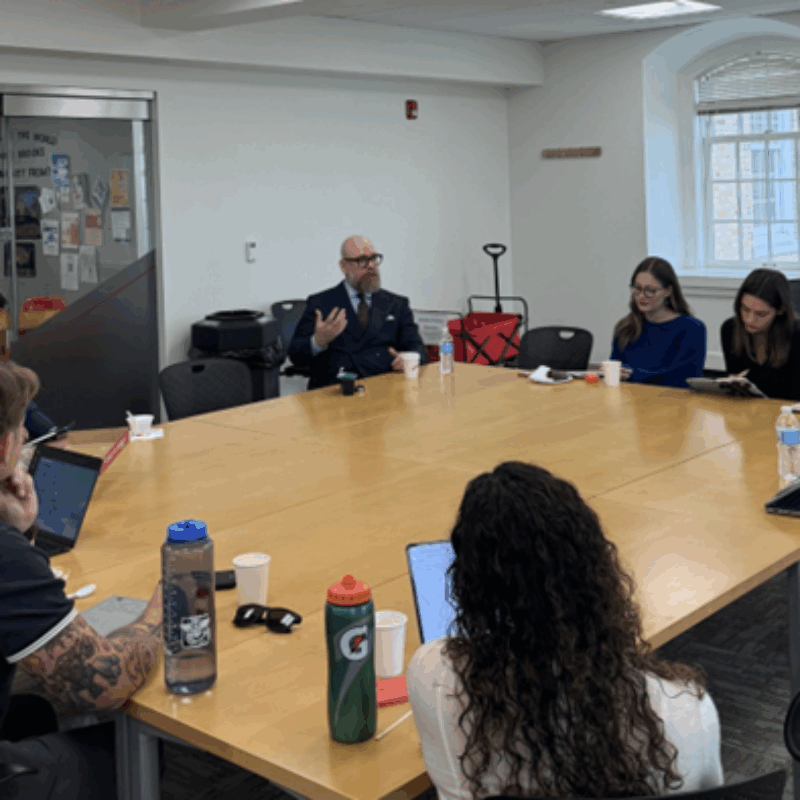
A discussion of why European defence needs predictable, long-term industrial and procurement planning, and how doctrine and logistics must align with new platforms.
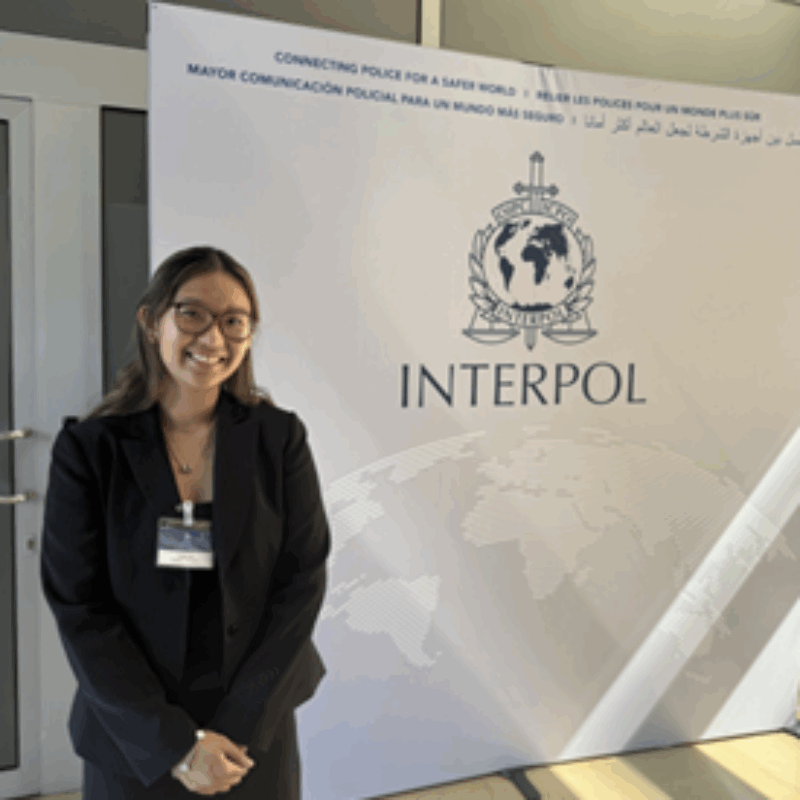
Cynthia Tan spent nine weeks at Oxford mapping how law enforcement agencies collaborate on cybercrime, and found cryptocurrency in nearly three-quarters of U.S. financial cybercrime indictments since 2020.

A new institute report urges federal action on biomining, the use of microorganisms to extract metals from ores and waste streams.
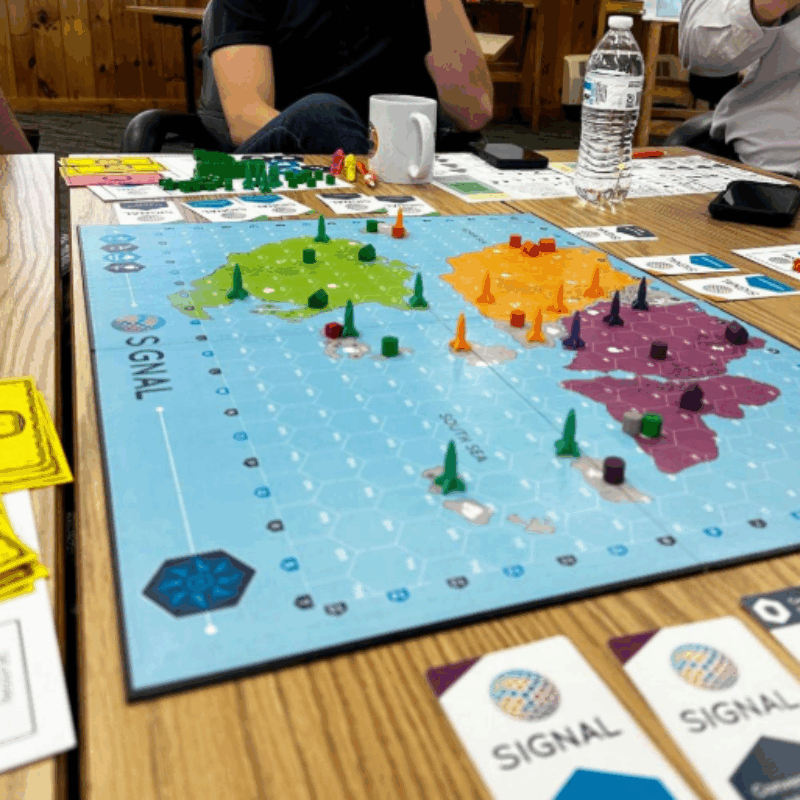
Fellow Joshua Greenberg joined a three-day wargaming conference in the Adirondacks examining the political, diplomatic, economic, and military objectives of the People's Liberation Army.

Basim Ali sat down with Suresh Kumar, a senior Indian civil servant and former Chief Principal Secretary to the Chief Minister of Punjab, to discuss the interplay between internal security, digital governance, and participatory policymaking in a border state.
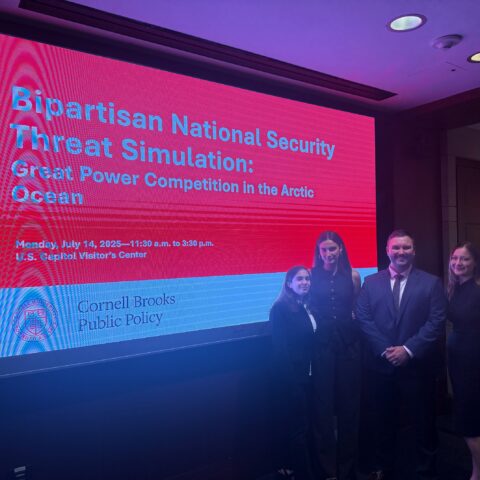
A national security simulation developed with the Institute of Politics and Global Affairs, taken to Congress in July.

Kayla Schechter spoke with Chinasa T. Okolo, a Cornell alumna working on AI governance, to discuss AI policy in the Global South and what meaningful participation in global governance requires.

Danyal Herlaar-Hassan spoke with Lauryn Williams, who joins the institute as a Non-Resident Senior Fellow, to discuss her route into cyber policy and what she plans to work on with us.
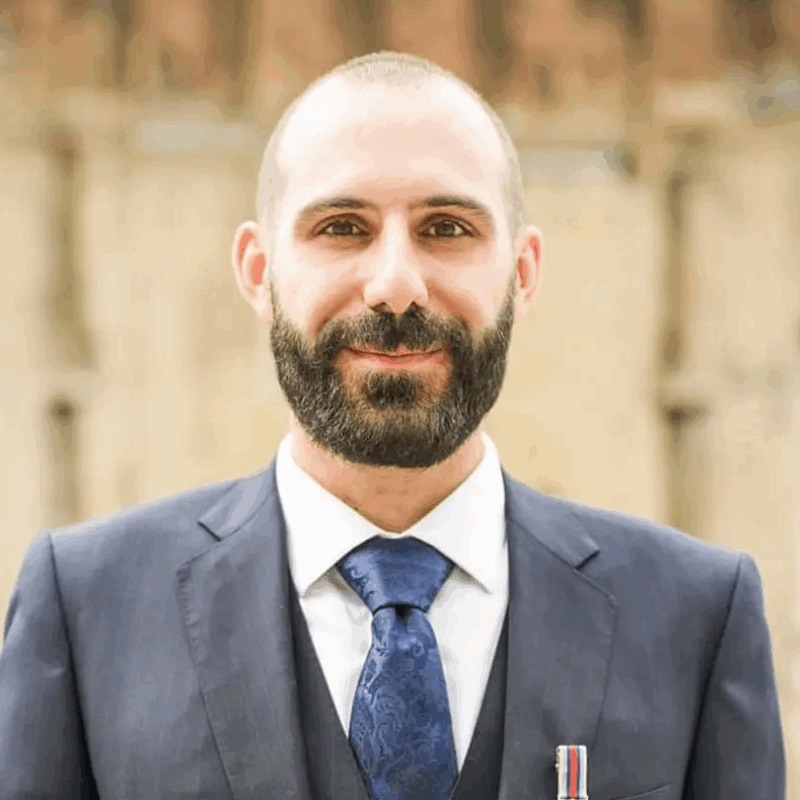
Basim Ali sat down with Dr. Lewis Sage-Passant and Colin Reed, private sector intelligence experts, to discuss the growing role of private sector intelligence in countering nation-state threats.
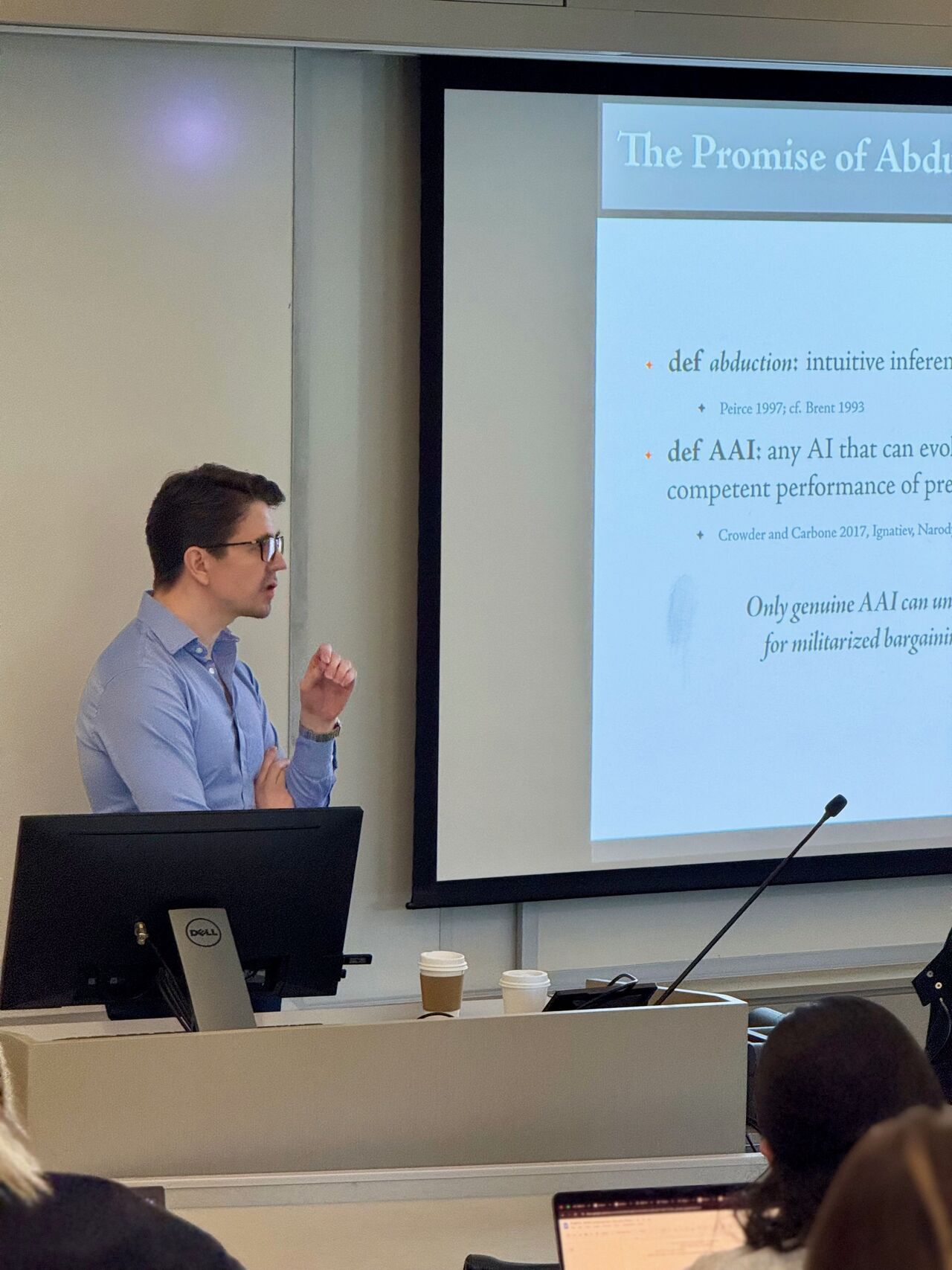
How artificial intelligence may catalyse systemic transformations, and what abductive AI could mean for command and operational decisions on the future battlefield.

A Cornell-led assessment of vulnerabilities in the semiconductor supply chain, and how to mitigate them, put on hold after a stop-work order.

Basim Ali sat down with Amelia Arsenault, a fellow of the institute and doctoral candidate at Cornell, to discuss artificial intelligence, geopolitics, and international political economy.
Basim Ali sat down with Dr. Jon McCandless, founder and CEO of Gallox Semiconductors, to discuss why gallium matters to the semiconductor industry, and where its supply chain is fragile.
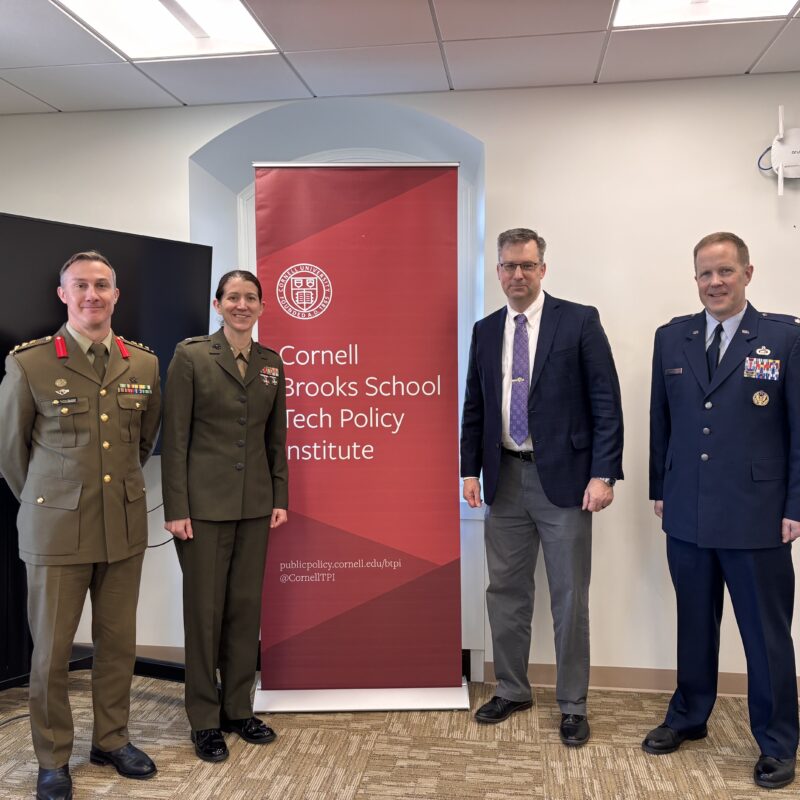
A roundtable in the Eisenhower Series on the value of alliances in a new era of geopolitics, with four officers from the US Army War College.
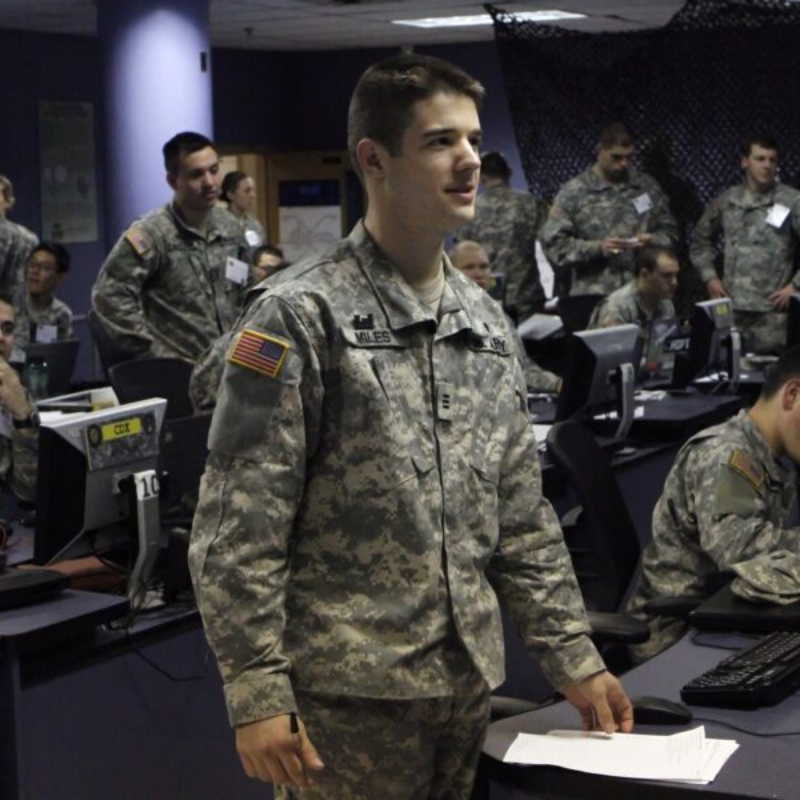
The first experimental evidence of how much cadets trust AI-enabled military technology, testing the common assumption that junior personnel are trusting "digital natives".
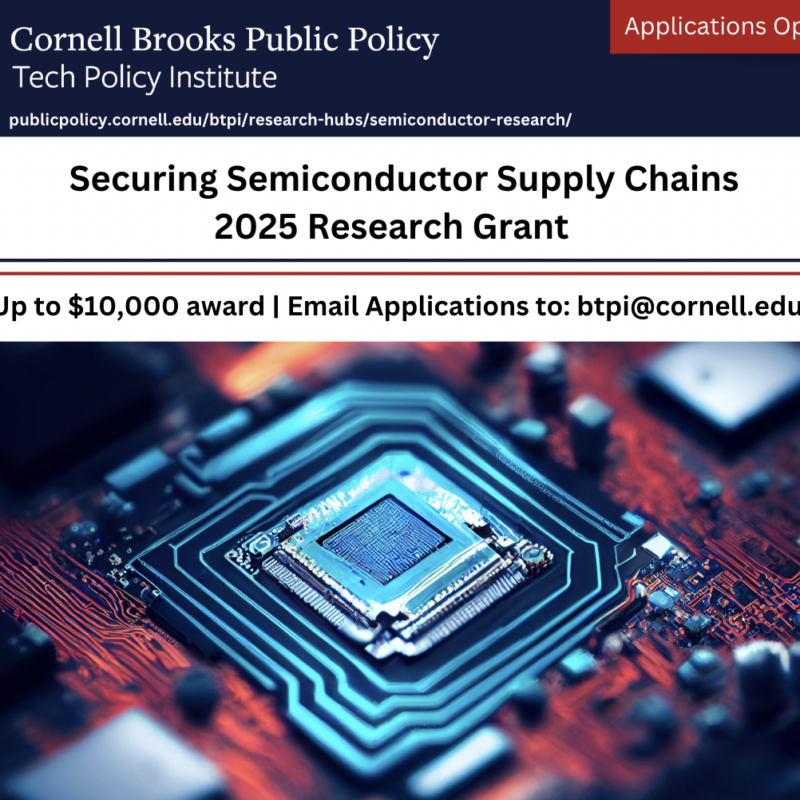
A grant opportunity for Cornell graduate students researching semiconductors and semiconductor supply chains, with awards up to $10,000. This round has now closed.
Policymakers fear a backlash over counter-drone operations at home. New experimental evidence from Paul Lushenko and Jennifer Spindel suggests Americans broadly support them.
The hub's cyber test range reached initial operating capacity and is now analysing threats to semiconductor technologies, integrated circuits, and the supply chain behind them.
The 2023-24 annual report, covering new funding, seventeen events, four new academic modules, and seventeen new fellows across three tiers.
The institute receives $3 million from the Department of Defense to establish the U.S. Semiconductor Research Hub, led by Sarah Kreps.
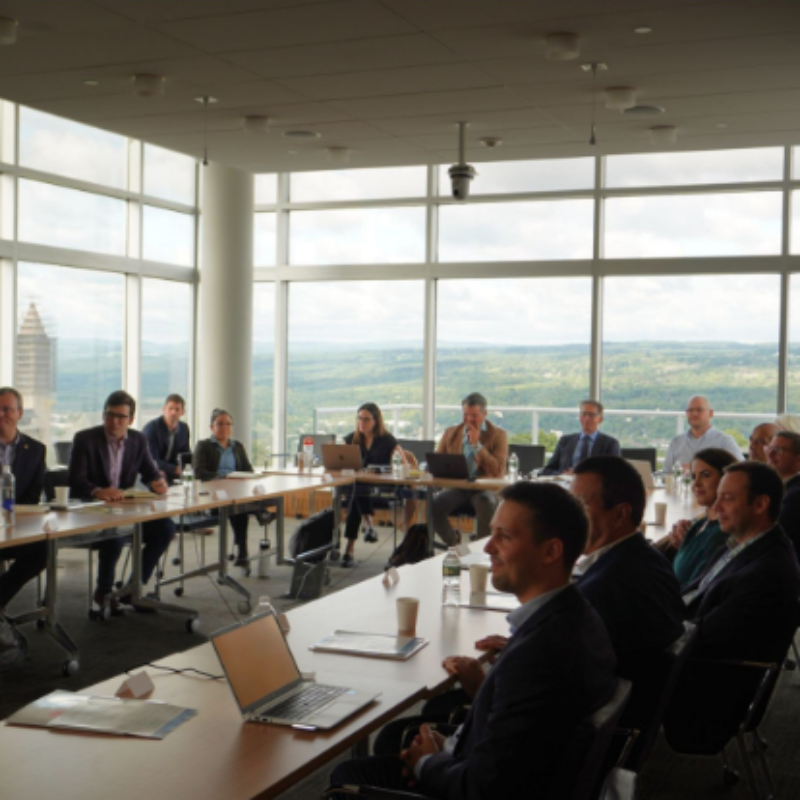
Defence experts convened at Cornell for Full Spectrum Drone Warfare 2050, a workshop on drone deployment across all domains, funded by the NATO Science for Peace and Security Programme.
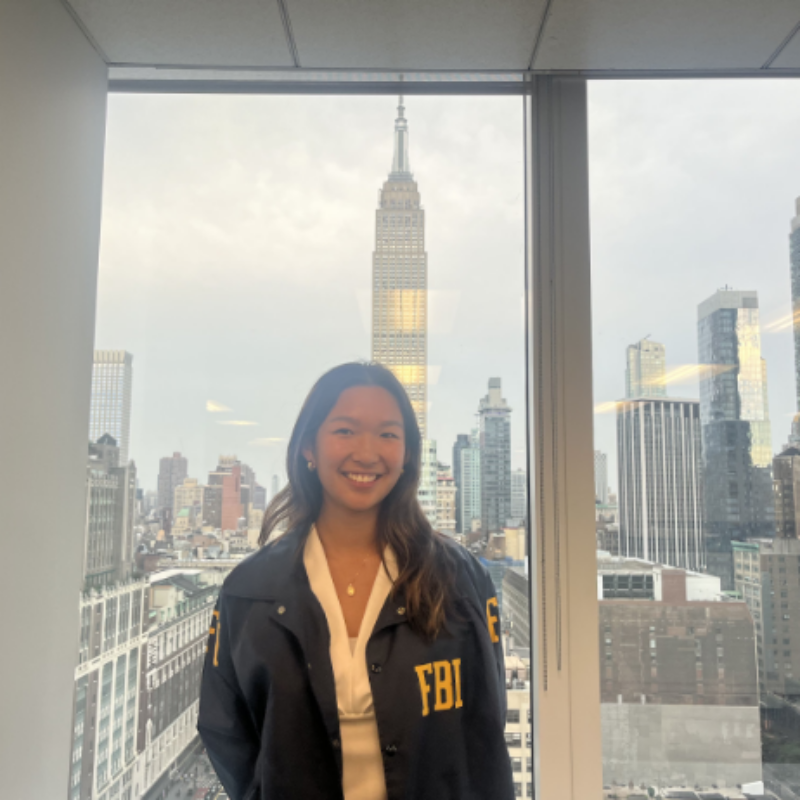
Cynthia Tan and Danyal Hyland Hassan were appointed to the Laidlaw Leadership and Research Program, working with the FBI's Cyber Division and on a NATO-funded project respectively.
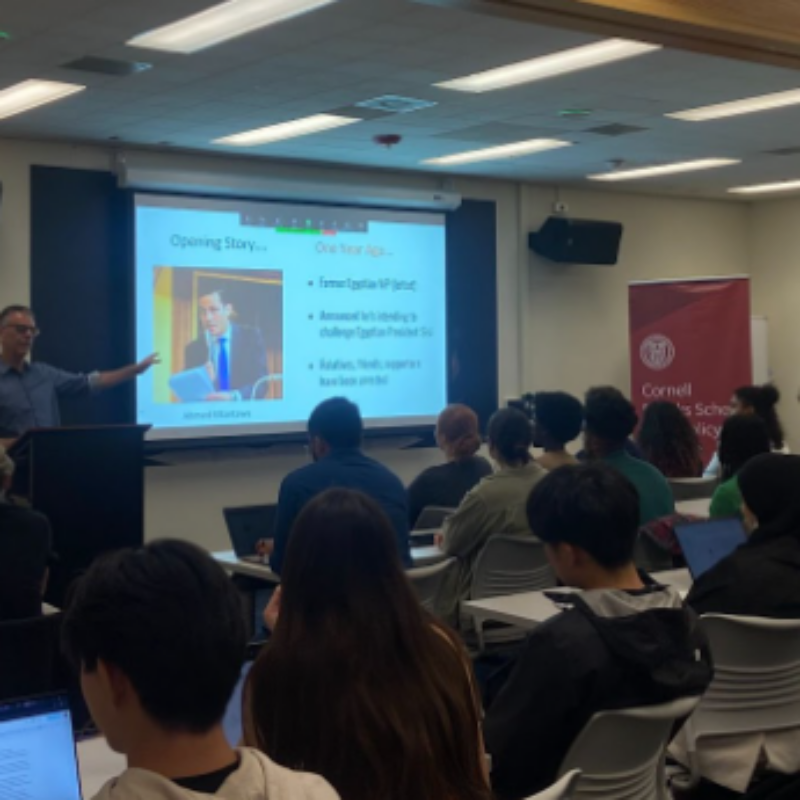
A lecture on the ethical implications and real-world impacts of Citizen Lab's research into mercenary surveillance and digital transnational repression.
A report produced with the Jain Family Institute offering a high-level framework for analysing the regulation of AI.
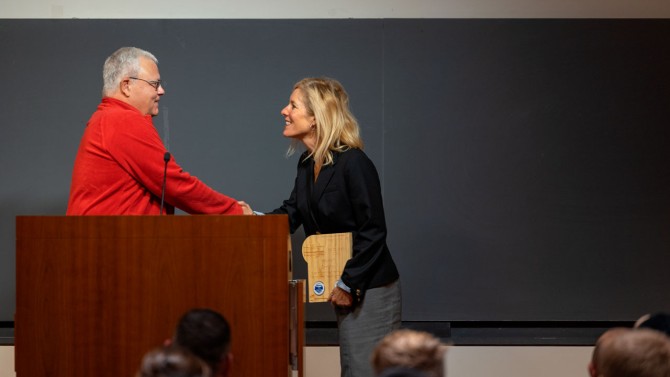
Speakers reflected on how camaraderie shapes both military and academic life, as part of Cornell's celebration of its military and veteran community.

Defence experts gather at Cornell to consider the future of drone warfare and its impact on the security and stability of NATO members and partners.
The NATO Science for Peace and Security Programme awarded $65,000 to analyse the development and use of military drone technologies across air, land, and sea.

A $1M project led by Sarah Kreps studying financial freedom in countries with authoritarian governments.

A commitment from the Reynolds Foundation funding a range of initiatives at the Cornell Jeb E. Brooks School of Public Policy.
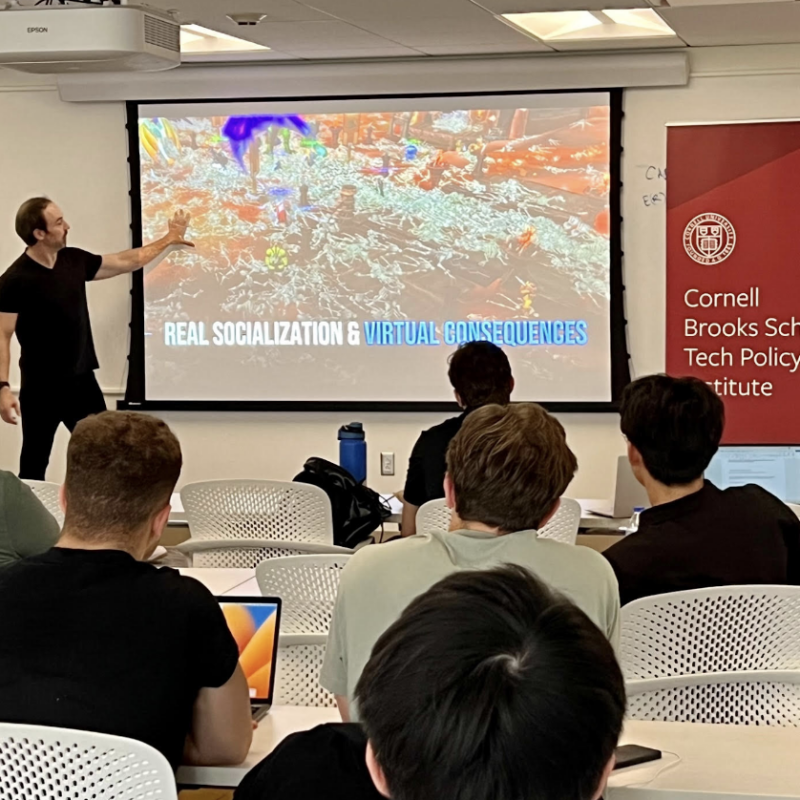
The Vice President of Global Business Research and Marketing at Activision Blizzard on the gaming industry and its close ties to VR and AI.
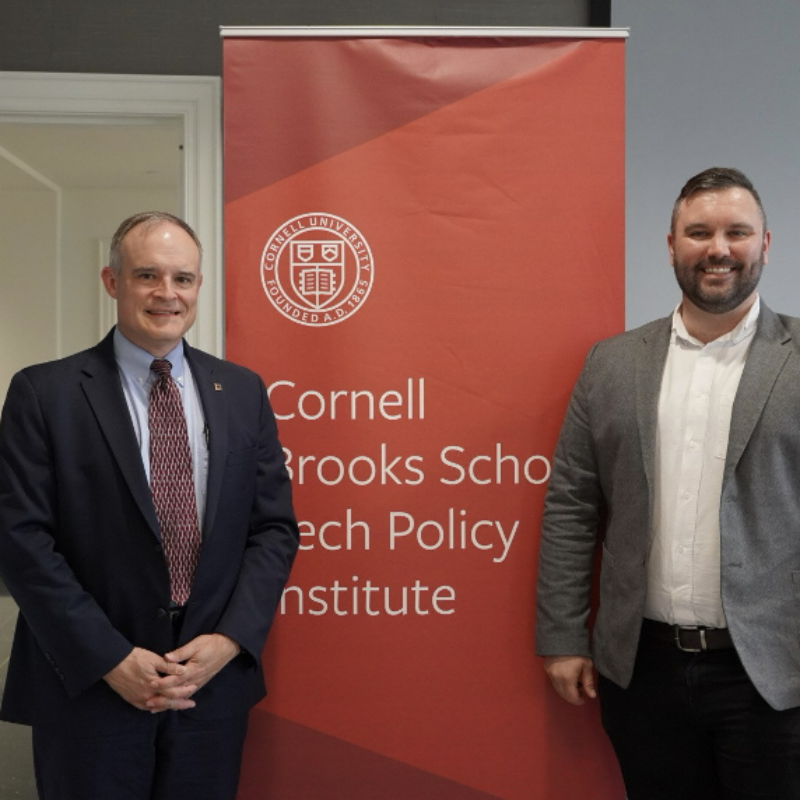
The former Cybersecurity Coordinator on the National Security Council, now President and CEO of the Cyber Threat Alliance, spoke on building a career in tech policy.

A profile of the institute and of Sarah Kreps, on how rapid technological change shifts the global security balance in real time.
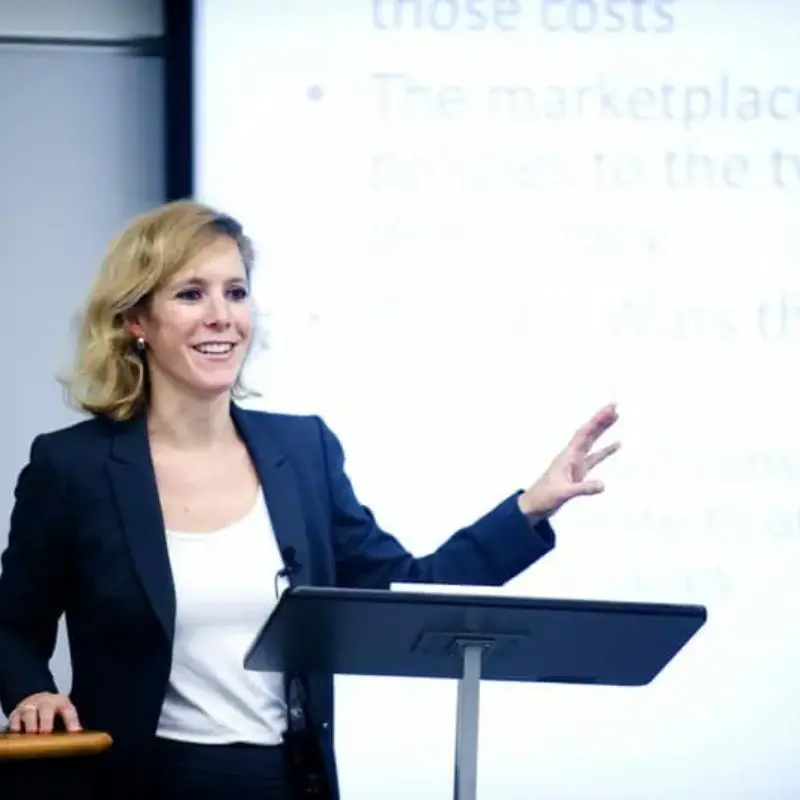
The series profiled our founder and director on her route into AI, her research on AI-generated disinformation, and her views on responsible development.

A practising attorney, corporate director, and former federal prosecutor specialising in cybersecurity, technology risk, and regulatory compliance.

James Patton Rogers spoke with Alexey Elkin, a Cornell computer science student on the Future Leaders Program, to discuss his research on AI and democracy, and what the programme has opened up for him.
The first JFI-Brooks Fellowships scholars will research regulatory frameworks for artificial intelligence and the long-term impact of welfare reform.

Sarah Kreps spoke with Avishai Melamed, a space policy expert, to discuss the history of space exploration and the reasons behind the current race to land on the Moon.

Sarah Kreps tells the President's Council of Advisors on Science and Technology that generative AI threatens trust in democracies when misused, but may also be harnessed for public good.

Armed drones are neither a magic bullet that wins wars nor an inconsequential tool, according to two Cornell scholars writing in Defense & Security Analysis.

Using AI to write full messages in representative government appears more effective than using it to generate individual sentences.

A first-of-its-kind survey finds Americans consider military drone strikes conducted with the consent of other nations to be the most morally legitimate.
The announcement of the institute's founding.

Sarah Kreps directs two students analysing public opinion on planetary defence, and how governments should react when asteroids or comets approach Earth.

Sarah Kreps, Richard Clark, and Adi Rao argue for deepening high-tech collaboration with supply chain partners rather than reshoring the industry from the ground up.
Nothing in this category yet.
Newsletter
Research, events, publications, and what the team has been up to. Sent monthly, and archived here.