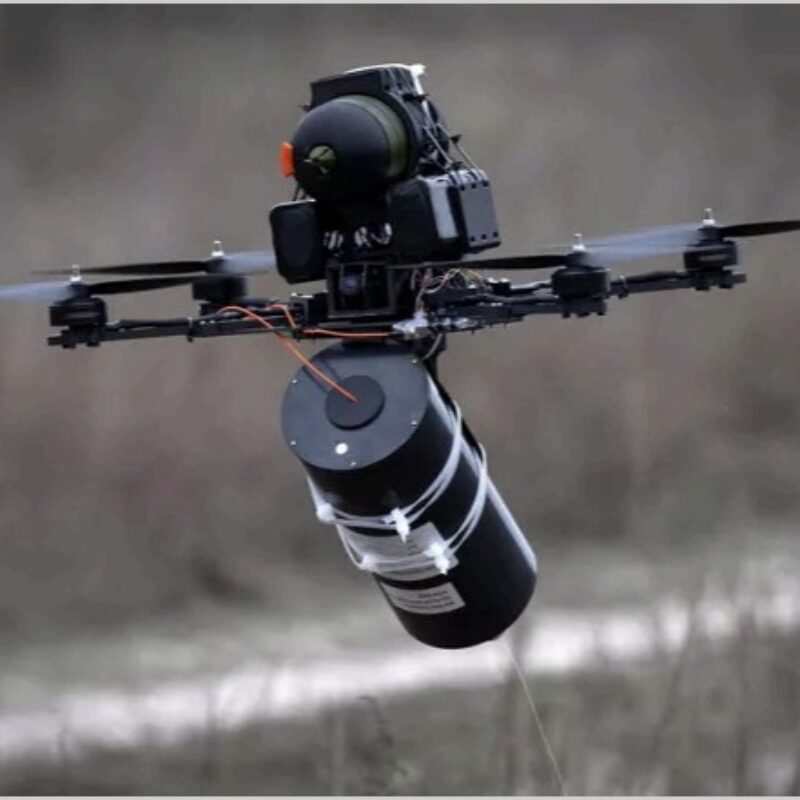
This hub drives research into the future of military drone technologies across domains. We investigate Full Spectrum Drone Warfare and its global implications, and provide strategic policy insights to NATO members and partner states. Our publications address the urgent need for new technologies and strategies for addressing emerging drone threats in a world of record drone proliferation.
This year, Director Dr. Sarah Kreps and Executive Director Dr. James Patton Rogers released 'Drones: What Everyone Needs to Know,' a new book with Oxford University Press. The book traces the evolution of drone technology and explains how unmanned systems across air, land and sea continue to transform modern warfare. Their work has led to briefings at the Department of State, the Pentagon's Joint Staff, the United Nations, Doctors Without Borders, and the World Economic Forum.
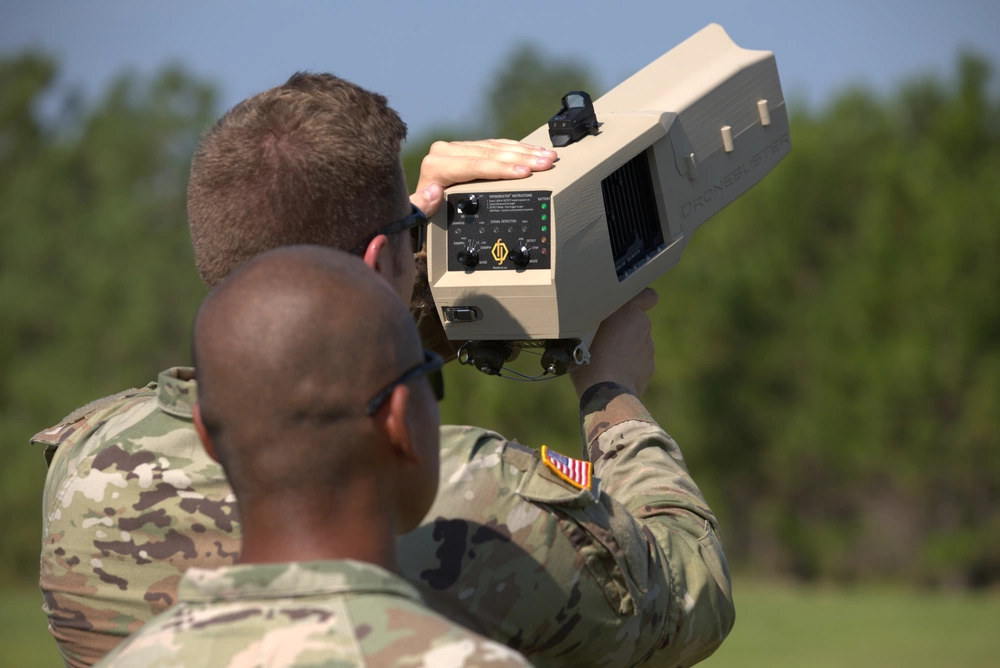
Non-Resident Senior Fellow Dr. Paul Lushenko and Dr. Jennifer Spindel of the University of New Hampshire conducted a pioneering TPI study, 'America's Skies: Public Support for Homeland Counter-Drone Operations,' offering the first experimental data on how Americans view domestic counter-drone activities. Their findings were presented to the National Security Council at the White House.